
Birth & Postpartum Doula Training
Comprehensive Online Education + Two Days of Hands-On Training
Learn to confidently support families through pregnancy, labor, birth, breastfeeding, postpartum recovery, and the transition into life with a newborn.
DFW Community Birth School's 32 Hour Birth & Postpartum Doula Training combines structured online education with two full days of hands-on training, practical skills, realistic scenarios, and competency evaluation.
This isn't simply a weekend workshop.
Students complete comprehensive education in childbirth, labor support, lactation, postpartum care, trauma-informed care, cultural humility, maternal and newborn warning signs, professional collaboration, and the practical realities of working as a doula.
Carrot Approved
Texas Medicaid/HHSC Curriculum Review Pending

Train for the Work Doulas Actually Do
Birth support is more than learning hip squeezes and breathing techniques.
A professional doula needs to understand normal pregnancy and birth, recognize when something falls outside normal support, communicate effectively with families and healthcare professionals, support feeding and postpartum recovery, work with families whose experiences and beliefs may be very different from their own, and understand exactly where the doula's scope ends.
Our program combines education with practical application so students don't simply learn what doulas do, they practice how to do it!
A Comprehensive 32 Hour Curriculum
Your training includes:
16 Hours Online Education
Complete foundational coursework before attending your hands-on training.
16 Hours In Person
Attend two full days of hands-on skills, demonstrations, simulations, case discussions, and competency evaluations.
Three Birth Experiences
Certification requires documentation of attendance at three births.
Three Professional Recommendations
Students complete the professional-reference requirements before final certification.
HIPAA Training Included
After completing all other certification requirements, students receive access to HIPAA Privacy & Security Training at no additional cost.
What You'll Learn
Pregnancy & Prenatal Support
Learn normal pregnancy physiology, fetal development, common prenatal testing, pregnancy discomforts, birth preparation, birth settings, informed decision-making, community resources, nutrition, and the appropriate role of the doula during pregnancy.
Required Reading
Real Food for Pregnancy, Lily Nichols
Childbirth Education
Understand what is happening physiologically during labor and birth so you can explain it to families in understandable language.
Topics include:
Hormonal physiology of labor
Signs and stages of labor
Normal variations in labor
Fetal positioning
Rupture of membranes
Induction and augmentation
Fetal monitoring
Pain management options
Epidural anesthesia
Assisted vaginal birth
Cesarean birth
VBAC awareness
Immediate newborn transition

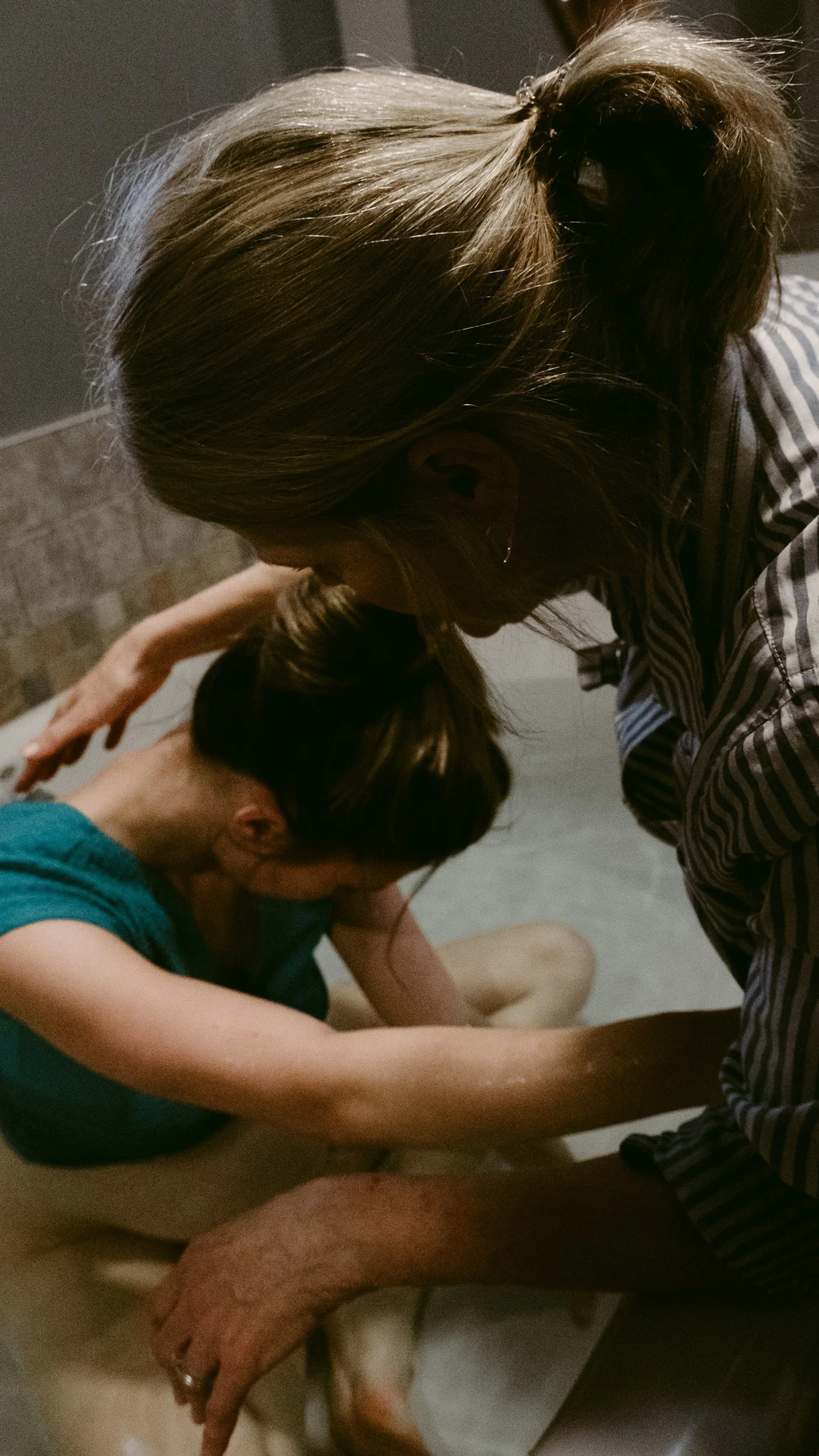
Hands On Labor Support
Knowing a comfort technique and being able to use it effectively during labor are two different things.
During the in-person training, you'll practice:
Labor positions
Maternal movement
Birth-ball techniques
Peanut-ball techniques
Massage
Counter pressure
Double hip squeeze
Sacral pressure
Rebozo techniques
Hands-and-knees positioning
Lunges and asymmetrical positions
Rest positions
Heat and cold
Breathing and relaxation
Environmental support
Partner-assisted techniques
You'll also learn how to modify support for back labor, prolonged labor, induction, epidural anesthesia, limited mobility, maternal exhaustion, and changing birth plans.
Lactation & Infant Feeding
Doulas are often among the first people families turn to when feeding isn't going as expected.
Learn the foundations of:
Lactation physiology
Lactogenesis
Skin-to-skin
Newborn feeding cues
Breastfeeding positioning
Principles of effective latch
Normal feeding frequency
Infant intake and output
Hand expression
Pumping
Establishing and protecting milk supply
Engorgement
Common breast and nipple concerns
Supplementation
Paced bottle feeding
Formula-feeding support
Respecting family feeding choices
Recognizing concerns
Knowing when to refer to a CLC, IBCLC, pediatric provider, midwife, or physician
Hands-on lactation practice is included during the in-person training.
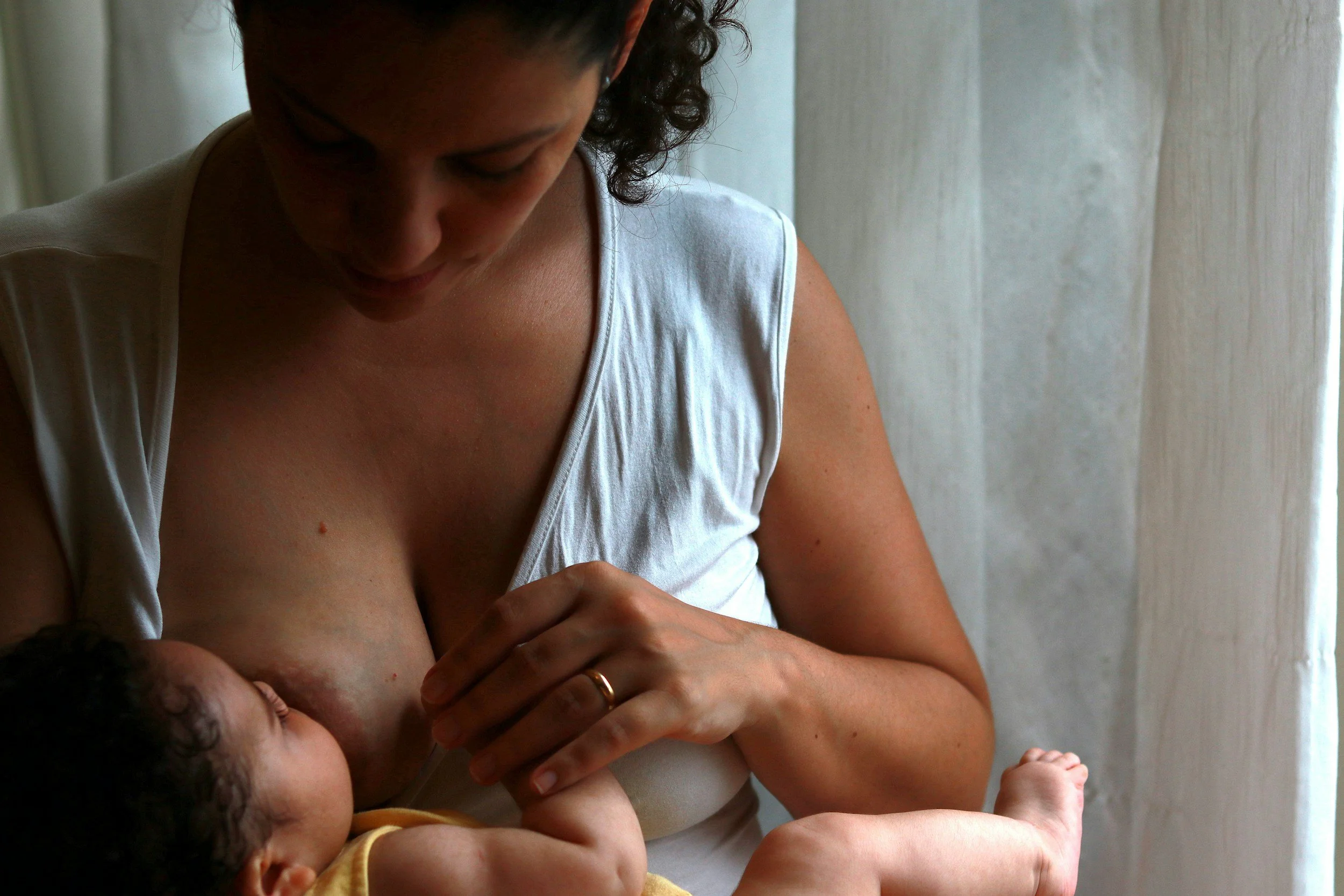
Postpartum & Newborn Support
Birth is not the end of doula care.
Learn to support families through:
Normal postpartum recovery
Vaginal-birth recovery
Cesarean recovery
Rest, hydration, and nutrition
Normal newborn transition
Feeding and elimination
Newborn behavior
Safe-sleep education
Newborn soothing
Partner adjustment
Sibling adjustment
Household transition
Practical postpartum support
Community resources
Appropriate professional referral


Know When Something Needs More Than Doula Support
Doulas don't diagnose or provide medical care. But we do need to recognize when a client or newborn needs additional help. Training includes recognition and appropriate referral or escalation for concerns involving:
Hypertensive disorders
Preeclampsia
Gestational and pre-gestational diabetes
Placental complications
Preterm labor
Rupture of membranes
Fetal-growth concerns
Cholestasis
Maternal infection
Postpartum hemorrhage
Postpartum preeclampsia
Sepsis
Thromboembolism
Cesarean and wound complications
Newborn jaundice
Poor feeding
Dehydration
Respiratory concerns
Abnormal newborn behavior
Students practice a simple professional framework:
Recognize → Remain Within Scope → Communicate → Refer or Escalate
Perinatal Mental Health
Learn to recognize and appropriately respond to concerns involving:
Baby blues
Perinatal depression
Anxiety
OCD
Birth related PTSD
Bipolar disorder considerations
Postpartum psychosis
Substance-use concerns
Suicide and self-harm warning signs
Mental health crisis
The goal isn't to turn doulas into mental-health clinicians.
It's to prepare doulas to recognize concerns, respond appropriately, maintain professional boundaries, and help families reach qualified care.
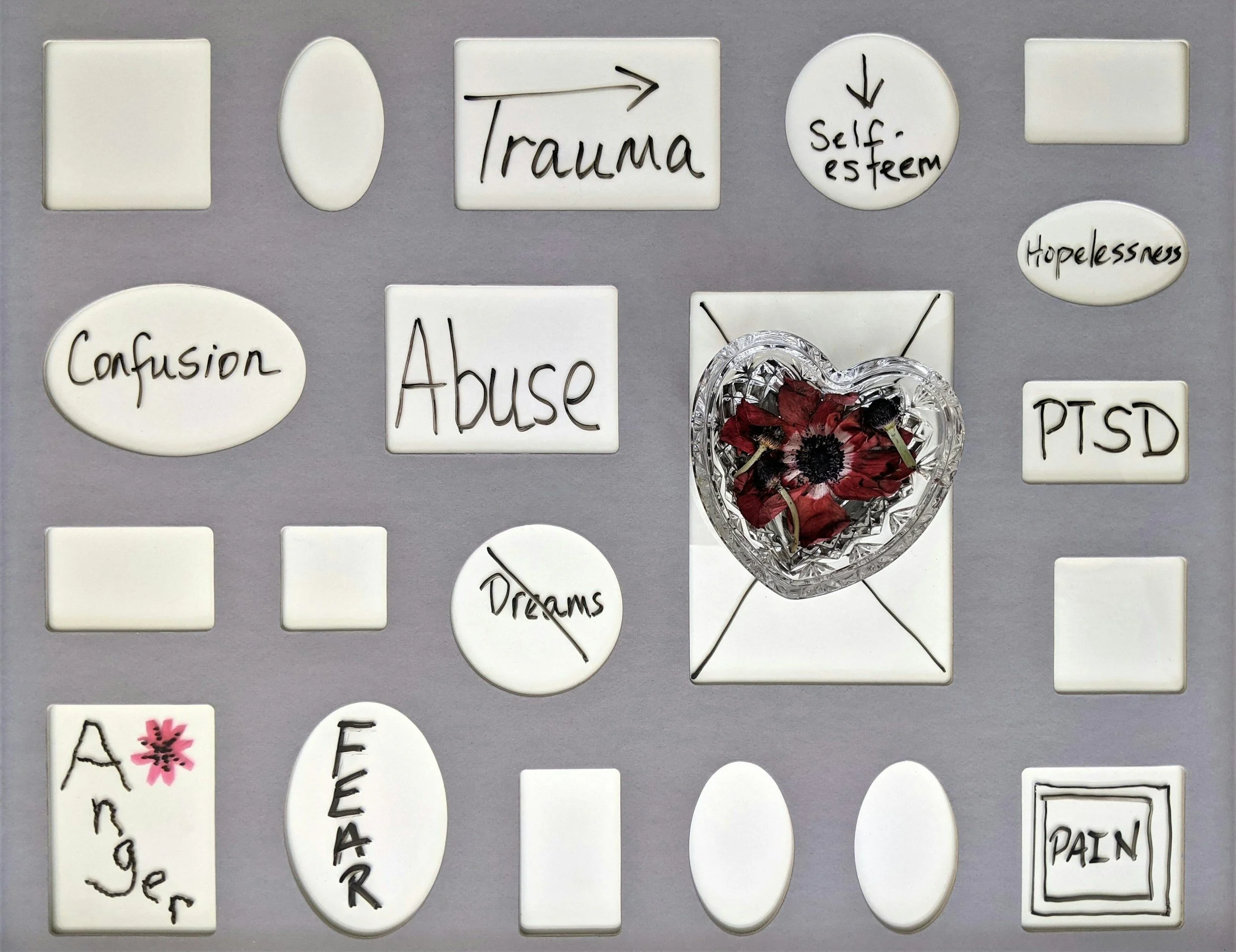

Trauma-Informed Doula Care
Pregnancy and birth can involve vulnerability, previous trauma, loss of control, and unexpected triggers.
Students learn principles of trauma-informed maternity support, including:
Previous sexual trauma
Medical trauma
Birth trauma
Trauma triggers
Consent
Touch and physical boundaries
Language
Maintaining client control
Intimate partner violence
Reproductive coercion
Avoiding re-traumatization
Professional boundaries
Appropriate referral
Required Reading
When Survivors Give Birth, Penny Simkin & Phyllis Klaus
Students then apply those principles through realistic in-person scenarios.
Pregnancy & Infant Loss
Doulas may find themselves supporting families through some of the most difficult moments of their lives.
Training includes:
Miscarriage
Stillbirth
Neonatal loss
Anticipatory grief
Principles of companioning
Supporting parents
Supporting partners and siblings
Memory making
Cultural and religious considerations
Communication following loss
Professional boundaries
Bereavement resources
Required Reading
Companioning at a Time of Perinatal Loss, Jane Heustis & Marcia Jenkins

Cultural Humility & Respectful Maternity Care
Providing culturally responsive care requires more than memorizing traditions associated with different groups.
Students learn to recognize their own assumptions, ask rather than assume, respect individual and family differences, and support families whose beliefs, backgrounds, resources, identities, or choices may differ significantly from their own.
Training addresses:
Cultural humility
Implicit bias
Avoiding stereotypes
Respectful maternity care
Racial and ethnic disparities
Black maternal-health disparities
American Indian and Alaska Native maternal health
Hispanic/Latina families
Asian and Pacific Islander families
Immigrant and refugee families
Religion and spirituality
Cultural birth and postpartum practices
Modesty and gender preferences
LGBTQ+ families
Diverse family structures
Disability and neurodiversity
Socioeconomic barriers
Health literacy
Language access
Professional medical interpreters
Cultural food and placenta practices
Required HHS Training
Students complete the U.S. Department of Health and Human Services Culturally and Linguistically Appropriate Services (CLAS) in Maternal Health Care training as part of the program.
Students then apply these principles during in-person maternity-care scenarios.

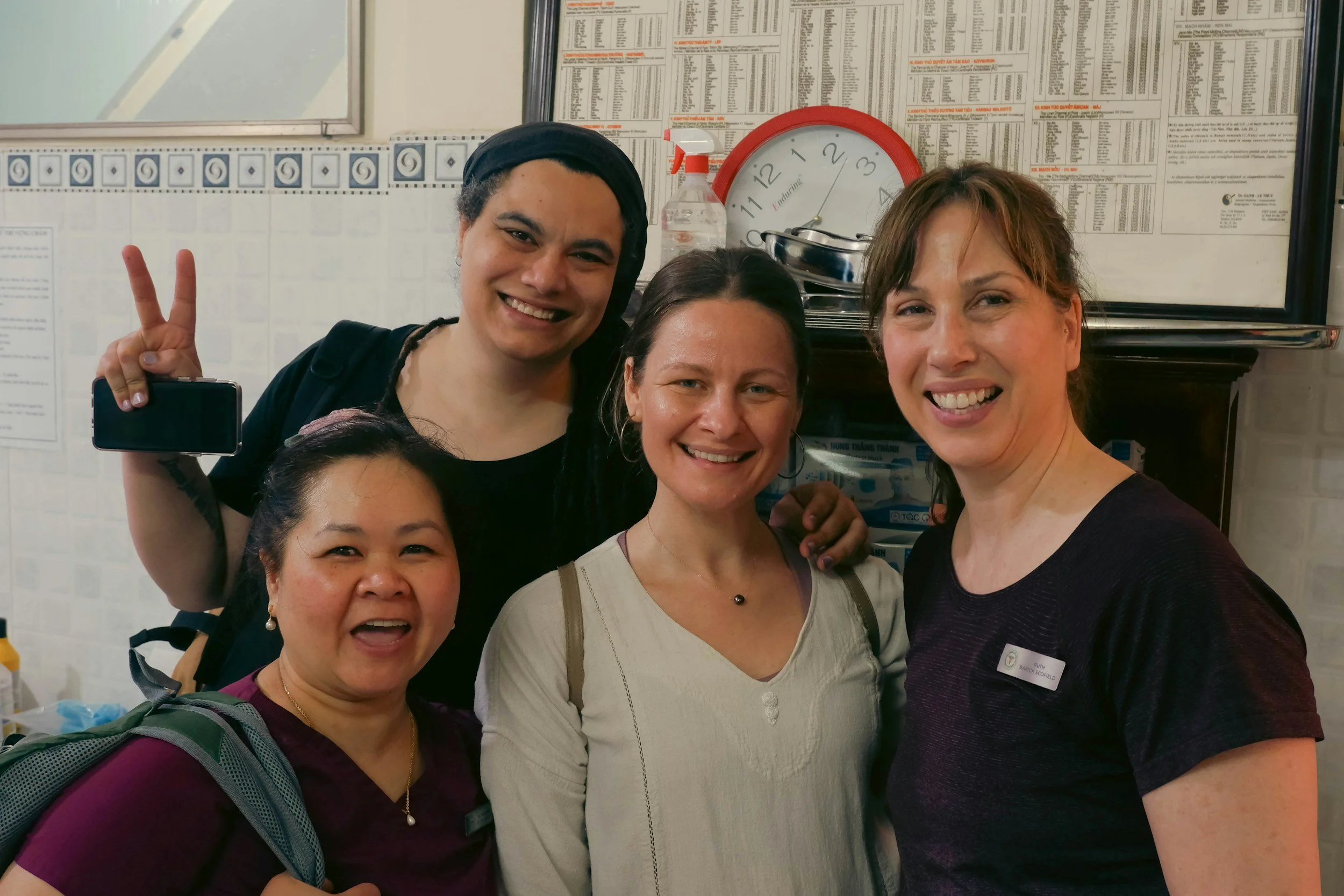
Working With Hospitals, Clinics & Birth Teams
Being a strong advocate does not mean being adversarial.
Students learn how to work professionally with:
Hospitals
Physicians
Nurses
Midwives
Birth centers
Community-birth teams
Lactation professionals
Mental-health professionals
Pediatric providers
Community organizations
Training includes helping clients formulate questions, supporting informed decision-making, maintaining doula scope during disagreement, navigating unexpected changes, supporting transfers between settings, and communicating concerns professionally.
Two Full Days of Hands-On TRAINING
Day One
Birth Doula Skills & Labor Support
Practice labor support skills and then put them together through realistic birth scenarios.
Training includes:
Labor positioning
Comfort measures
Birth and peanut balls
Rebozo
Massage and counterpressure
Partner support
Back labor
Prolonged labor
Induction
Epidural support
Cesarean support
Hospital communication
Advocacy
Changing birth plans
Birth simulations
Practical competency evaluation
Day Two
Postpartum, Lactation & Professional Doula Practice
Day Two moves beyond birth.
Training includes:
Immediate postpartum support
Newborn transition
Breastfeeding positions
Latch support principles
Hand expression education
Pumping
Paced bottle feeding
Practical postpartum support
Maternal and newborn warning signs
Perinatal mental health scenarios
Trauma informed scenarios
Cultural humility scenarios
Professional communication
Referral and escalation
Client consultations
Documentation
Professional boundaries
Final practical competency evaluation
Certification Requires More Than Attending a Weekend
We want certification through DFW Community Birth School to represent demonstrated preparation, not simply attendance.
Students progress through three phases.
Phase One Education & Skills
Complete:
32-hour curriculum
Online education
HHS CLAS maternal-health training
Required reading and assignments
Both in-person training days
Labor-support competency evaluation
Lactation competency evaluation
Cultural-humility and trauma-informed scenarios
Written final examination with a minimum score of 80%
Practical final evaluation
Professional community-resource directory
Professional Scope of Practice & Ethics Agreement
Phase Two Birth Experience
Students must document attendance at:
Three Births
Students complete a Birth Experience Verification and reflection for each birth.
Birth experiences may occur in appropriate hospital, birth-center, or planned home-birth settings.
Students also submit:
Three Professional Letters of Recommendation
Professional references should be familiar with the student's professionalism, reliability, communication, boundaries, collaboration, and suitability for professional doula work.
Phase Three HIPAA & Certification
Once all other certification requirements have been completed and verified, students receive access to:
HIPAA Privacy & Security Training
HIPAA training is included in tuition at no additional cost.
After successful HIPAA course completion, the student's final certification is issued.
Texas Medicaid / HHSC Training Pathway
DFW Community Birth School has developed a comprehensive 32-hour curriculum designed to address the core doula competency areas applicable to the Texas Medicaid doula pathway.
The curriculum has been submitted to the Texas Health and Human Services Commission (HHSC) and is currently pending formal review.
The program includes education in childbirth, prenatal and labor support, nonmedical comfort measures, lactation, postpartum support, acute and chronic perinatal health conditions, cultural competency, trauma-informed care, and interprofessional collaboration.
Our certification requirements additionally include three documented birth experiences, three professional letters of recommendation, and HIPAA training.
HHSC review is currently pending. Enrollment in or completion of this program should not be interpreted as HHSC approval of the training program unless and until formal approval is received.
Students pursuing Texas Medicaid enrollment should understand that completion of doula certification is only one component of the state's provider-enrollment process. Additional HHSC/TMHP requirements may apply.
Carrot Approved
DFW Community Birth School's Birth & Postpartum Doula Training is currently Carrot approved.
Eligible students may be able to use Carrot benefits toward training.
Coverage and reimbursement depend upon the individual's employer benefit and Carrot eligibility. Students should confirm their individual benefits before enrollment.
Who Is This Training For?
This program is appropriate for:
Aspiring birth doulas
Aspiring postpartum doulas
Current doulas seeking additional education and insurance reimbursement
Birth assistants
Childbirth educators
Lactation professionals
Midwifery students
Nurses and other perinatal professionals
Individuals interested in professional perinatal support
No previous birth work experience is required.What You'll Leave With
After completing the educational and hands on portion of the program, you'll have:
A structured foundation in birth and postpartum doula care
Hands-on labor-support experience
Lactation-support practice
Experience working through realistic maternity scenarios
Trauma-informed-care education
Cultural-humility training
Maternal and newborn warning-sign education
Professional communication skills
A community referral network
A clear professional scope
A pathway for completing your three required birth experiences and final certification
Ready to Begin?
Birth & Postpartum Doula Training
32 Hours of Comprehensive EducationOnline Coursework + Two Full Days In PersonBirth + Postpartum + LactationThree Birth Experiences Required for CertificationHIPAA Training IncludedCarrot ApprovedHHSC Curriculum Review PendingOnline Curriculum Opening November 1st
Hands On Training December 5th & 6th, April 10th & 11th
Frequently Asked Questions
-
No. The program is designed to provide foundational professional doula education. Previous birth work experience is not required.
-
No. This is a combined Birth & Postpartum Doula Training covering pregnancy, labor, birth, lactation, postpartum recovery, newborn support, and family adjustment.
-
The program is hybrid. Students complete online education before attending two full days of in-person hands on training.
-
The curriculum has been submitted to HHSC for review and is currently pending formal review. The curriculum does meet the requirements for the core competency training pathway if we are approved after students have completed the program. We will update program materials when a formal determination is received.
-
No. Doula certification/training and Texas Medicaid provider enrollment are separate processes. Students interested in Medicaid participation must meet all current HHSC/TMHP eligibility, training, approval, enrollment, and other applicable requirements.
-
Yes. Final certification requires documentation of attendance at three births. You will receive a certificate of training completion once you have finished your online and in person training.
-
Students are responsible for completing their required birth experiences. DFW Community Birth School will provide the required documentation and guidance regarding acceptable birth experiences.
-
Yes. HIPAA Privacy & Security Training is included in tuition. It is provided as the final training component after the student's other certification requirements have been completed.
-
Yes. Required reading currently includes:
Real Food for Pregnancy
Lily NicholsWhen Survivors Give Birth
Penny Simkin & Phyllis KlausCompanioning at a Time of Perinatal Loss
Jane Heustis & Marcia JenkinsAdditional required and supplemental resources are provided through the course.
We encourage students to utilize their local libraries both in person and online. We do have a limited number of books to borrow.
-
Yes. The training is currently Carrot approved. Individual eligibility and reimbursement depend upon the student's specific Carrot benefits.
-
Final certification is issued after all educational, skills, experiential, professional reference, and HIPAA requirements have been successfully completed and verified.
Have Additional Questions about our doula Training Program?
We'll review your message and get back to you within 2 business days!